Quick Answer
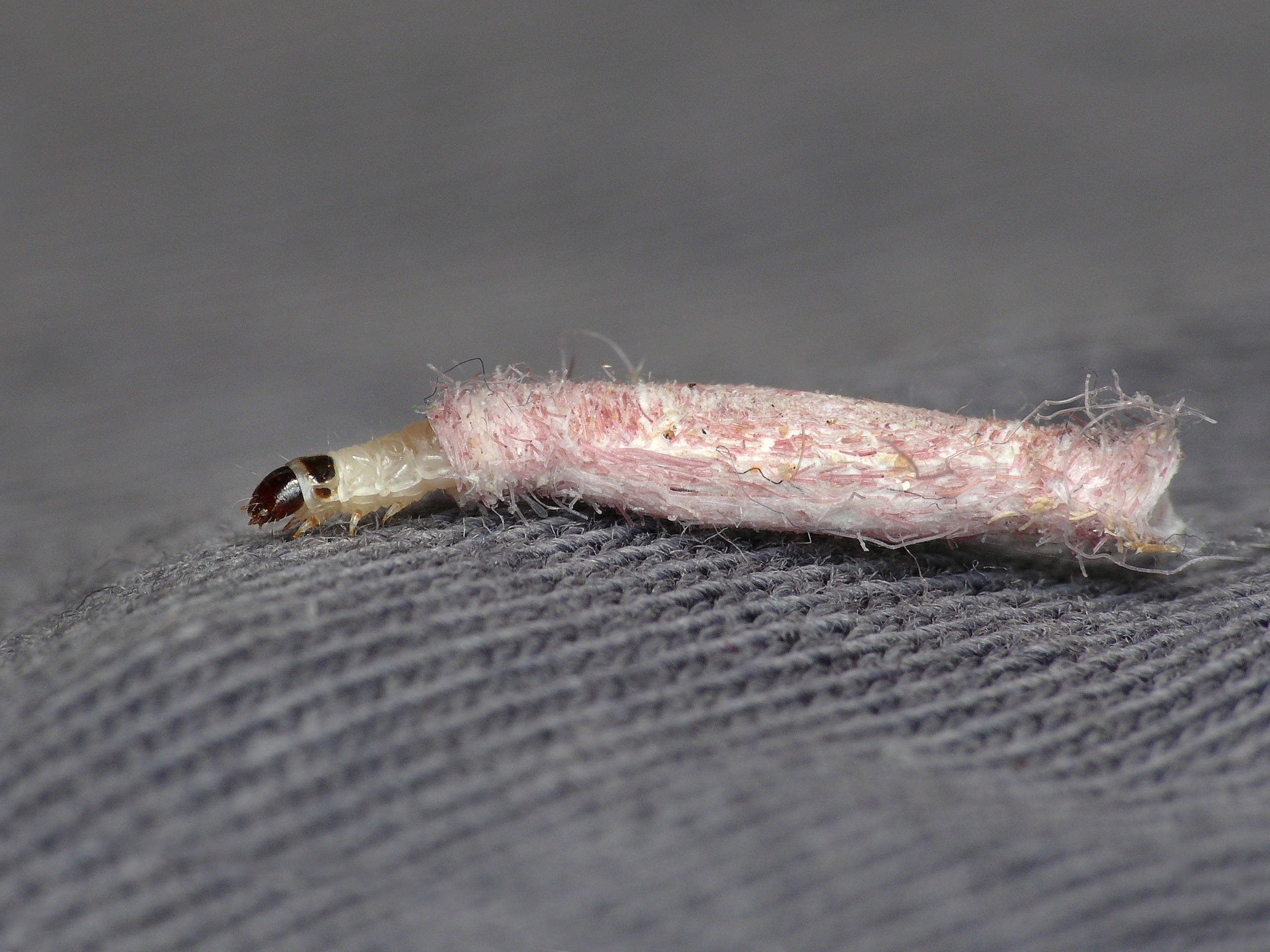
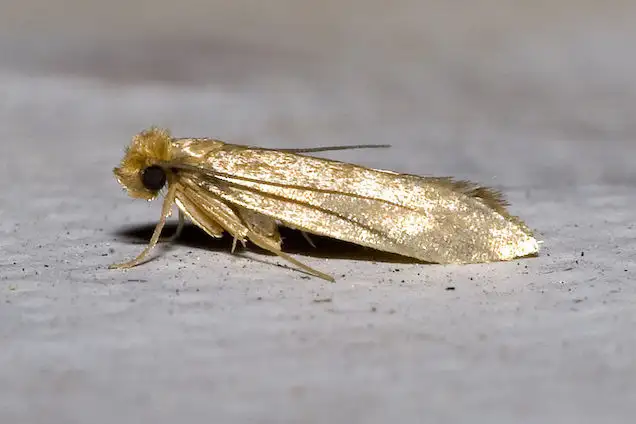
Clothes moths can be eliminated by breaking their life cycle. This means killing larvae through washing or freezing, removing eggs by deep cleaning, and preventing re-entry with proper storage and repellents. If you only kill adult moths, the problem will come back. In 2026, the most effective strategy for “how to get rid of clothes moths“ involves a combination of high-heat laundering, pheromone traps to disrupt breeding, and sealing vulnerable natural fibers in airtight containers.
Clothes Moth Problem at a Glance
| Factor | What You Need to Know |
|---|---|
| Main Culprit | Larvae (not adult moths) |
| Favorite Materials | Wool, silk, cotton, fur |
| Where They Hide | Dark, undisturbed areas |
| Biggest Risk | Stored or rarely used clothes |
| First Step | Full wardrobe reset |
| Long-Term Fix | Clean + seal + monitor |
Why Clothes Moths Keep Coming Back
Most people try to kill the flying moths they see, but that is not the real issue. The larvae stay hidden inside fabrics and corners. They continue feeding and multiplying silently.
Unless you remove eggs and larvae completely, the infestation restarts within weeks.
The “Reset Method” That Actually Works
Instead of random fixes, follow this structured approach:
Phase 1: Isolation (Stop the Spread)
- Remove all clothes from your wardrobe
- Separate visibly damaged items
- Keep infected fabrics away from clean ones
This prevents larvae from spreading further.
Phase 2: Fabric Treatment (Kill Eggs and Larvae)
You have two reliable options:
Heat Treatment
- Wash clothes in warm or hot water
- Dry using high heat
Cold Treatment
- Seal items in bags
- Freeze for at least 2–3 days
This step directly eliminates the hidden infestation.
Phase 3: Deep Environment Cleaning
This is where most people fail.
- Vacuum every corner of your wardrobe
- Clean shelves, joints, and drawer edges
- Focus on carpets and under furniture
- Throw away vacuum contents immediately
Even one missed egg can restart the problem.
Phase 4: Rebuild with Protection
Once everything is clean:
- Store clothes in airtight containers
- Add cedar blocks or lavender sachets
- Avoid overcrowding your wardrobe
This step ensures moths don’t return.
Natural vs Chemical Solutions
| Type | Examples | When to Use | Safety |
|---|---|---|---|
| Natural | Cedar, lavender, cloves | Prevention | Very safe |
| Mechanical | Vacuuming, washing | Always required | Safe |
| Chemical | Mothballs, sprays | Heavy infestation | Use carefully |
Natural options work best for prevention, but cleaning is always necessary.
Hidden Places You Might Be Ignoring
Clothes moths don’t just stay in clothes. They often hide in:
- Carpets and rugs
- Sofa fabrics
- Curtain folds
- Storage boxes
If you skip these areas, the infestation may return even after cleaning your wardrobe.
Mistakes That Make the Problem Worse
Avoid these common errors:
- Only using repellents without cleaning
- Storing clothes without washing them first
- Ignoring seasonal clothing
- Keeping wardrobes tightly packed
These habits create the perfect environment for moths.
Simple Weekly Habit to Stay Moth-Free
You don’t need complicated routines. Just follow this:
- Air out your wardrobe once a week
- Check rarely used clothes
- Keep fabrics clean before storage
- Maintain airflow
Consistency is more important than effort.
When You Should Take It Seriously
Clothes moths are not just a minor issue if:
- Clothes keep getting holes repeatedly
- You see larvae regularly
- Damage spreads to carpets or furniture
In such cases, a deeper cleaning or professional help may be required.
Smart Prevention Strategy (Long-Term)
Think of prevention as a system:
- Clean before storing
- Seal properly
- Add natural repellents
- Check periodically
Once this system is in place, moths rarely return.
Final Thoughts
Getting rid of clothes moths is not about quick fixes. It’s about removing the source and making your environment unfriendly for them. A proper reset, followed by simple habits, can protect your clothes permanently.