Pests exploit certain weaknesses in a home’s structure to gain access to the living space. Many of these weaknesses are easy to miss during a casual walkthrough.
Buffalo Grove, IL homes face specific issues during seasonal transitions. This is when temperature changes push rodents, insects, and spiders to seek shelter indoors. Homeowners who understand where pests enter can take steps to keep them out. They can hire a Buffalo Grove, IL exterminator or work with Pointe Pest and Pointe Pest Control to address current infestations and strengthen their defense against pests. Here are four of the most common entry points for pests:
1. Foundation Cracks and Gaps at Ground Level
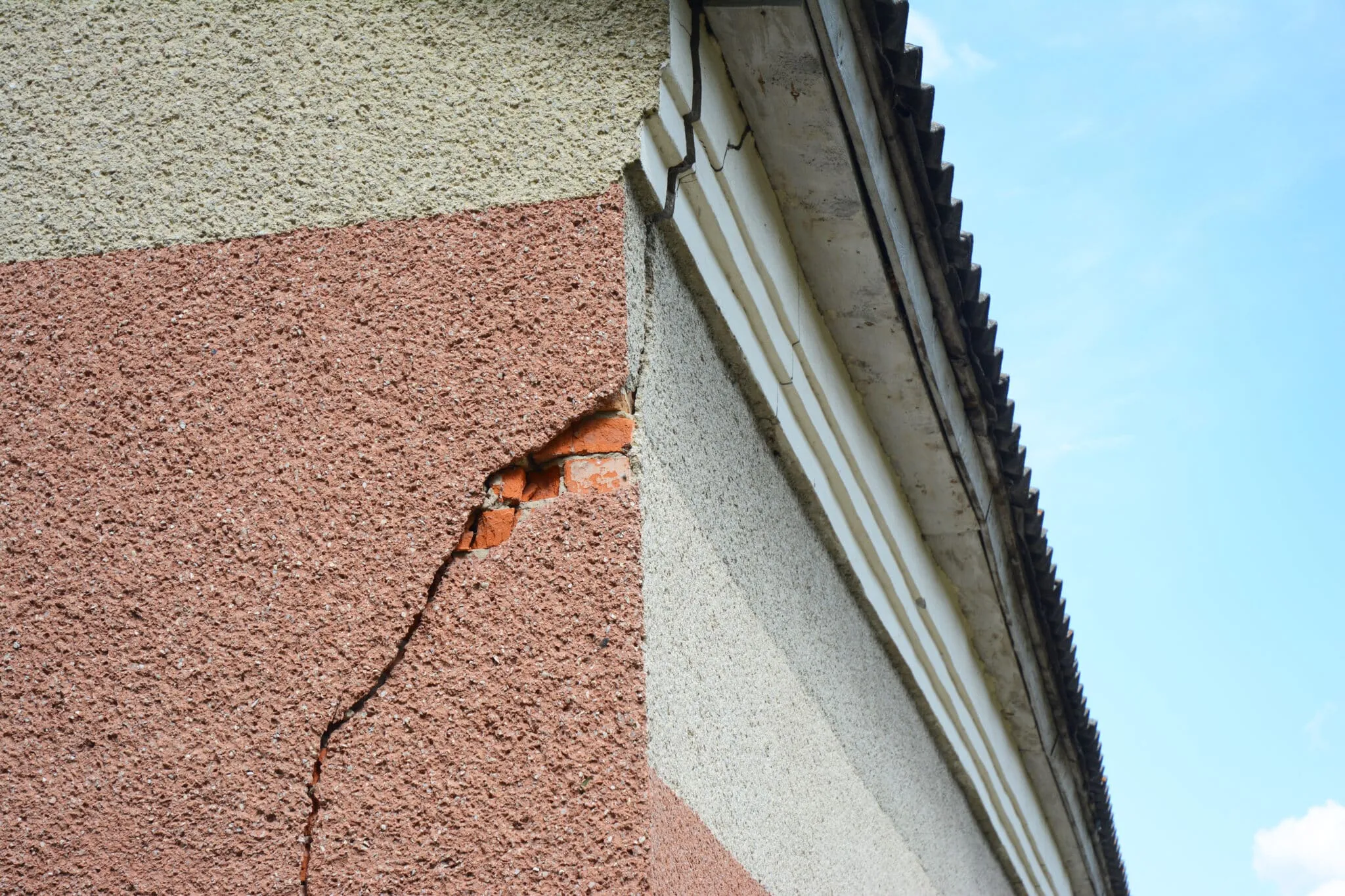
The foundation is the part of your home that sits closest to the soil, under rocks, and along the ground. Any crack, gap, or deteriorated section of the foundation is a potential doorway. Freeze-thaw cycles in Buffalo Grove, IL’s climate can accelerate foundation cracking.
Subterranean termites build mud tubes directly up foundation walls to reach the wood structure above. Rodents gnaw at existing cracks to widen them. Ants, spiders, and cockroaches slip through gaps that are barely visible to the naked eye. When inspecting along the foundation, pay attention to the following:
Horizontal and vertical cracks in poured concrete or block foundations.
The point where the foundation meets the sill plate.
Areas where utility lines, pipes, or conduit enter the home at or below ground level.
Gaps between the foundation and any attached structures, like porches, stoops, or additions.
Crawl space vents that have damaged screens or missing covers.
Seal cracks with appropriate concrete filler or hydraulic cement. Use expanding foam or steel wool followed by caulk for gaps around pipes and utility penetrations. Crawl space vents should have intact, fine-mesh screens that keep insects and rodents out while still allowing airflow.
2. Doors, Weatherstripping, and Thresholds
Weatherstripping compresses and cracks with regular use. Door sweeps wear down and stop making full contact with the threshold. Frame corners develop gaps where caulk has dried and pulled away. Each of these issues can create an opening that pests can exploit.
Rodents are particularly adept at using door gaps. A mouse needs only a gap the width of a pencil to squeeze through. Replace worn door sweeps with heavy-duty models that create a firm seal. Reapply weatherstripping where it has pulled away or deteriorated, and re-caulk any gaps in the door frame itself.
3. Rooflines, Eaves, and Attic Access Points
Rooflines, eaves, soffits, and attic vents are common entry points for squirrels, mice, bats, and wasps. Rodents are excellent climbers. Mice and rats use tree branches, downspouts, and rough exterior surfaces to reach the roofline, then exploit any gap they find to access the attic. Address roof and attic vulnerabilities, such as:
Attic vents with damaged, missing, or insufficiently fine mesh screens.
Gaps where the fascia board meets the soffit.
Open or unscreened ridge vents along the peak of the roof.
Areas where the roof flashing has pulled away from the chimney or dormers.
Spots where tree branches make contact with or hang directly over the roof.
Trim tree branches so they don’t touch or overhang the roofline. Install hardware cloth or fine-mesh screening over attic vents, and have a pest professional or contractor inspect the roofline for gaps that aren’t visible from the ground.
4. Utility Penetrations and Plumbing Lines
Every pipe, wire, cable, and conduit that enters your home from the outside represents a potential pest highway. These utility penetrations are often installed with gaps around them. Sealant around these openings deteriorates over time, and pests find their way through.
Inspect each of these points from inside and outside the home. Use expanding foam, caulk, or copper mesh to close gaps, and replace any dryer vent covers that no longer close properly when the dryer isn’t in use.
Leave a Reply