Quick Answer
Rust forms when metal reacts with moisture and oxygen. The easiest way to remove rust is by using household items like vinegar, baking soda, or lemon and salt for light rust, while sandpaper or rust-removal chemicals work better for heavy rust. Choosing the right method depends on how deep the rust is. If you’re searching for “how to remove rust from metal“ in 2026, the most popular “hacks” still involve a 24-hour white vinegar soak for small items or a thick baking soda paste for vertical surfaces. For heavy-duty restoration, laser rust removal has become increasingly accessible for DIYers, offering a chemical-free way to vaporize oxidation without damaging the underlying steel.
Quick Facts Table
| Topic | Details |
|---|---|
| What is Rust | A chemical reaction called oxidation |
| Main Cause | Moisture + oxygen exposure |
| Best DIY Method | Vinegar soak |
| Fastest Method | Sandpaper or wire brush |
| Gentle Method | Lemon and salt |
| Prevention | Keep metal dry and coated |
What Causes Rust on Metal?
Rust appears when iron or steel comes in contact with water and air over time. Even small amounts of moisture can start the process. This is why tools, bikes, grills, and outdoor furniture often develop rust.
If ignored, rust spreads deeper into the metal and weakens it. What starts as a small orange patch can turn into serious damage if not treated early.
Types of Rust You Should Know
Understanding the type of rust helps you pick the right method:
- Surface Rust: Light and easy to clean
- Scale Rust: Flaky and slightly deeper
- Penetrating Rust: Deep damage, harder to remove
For most household items, you are dealing with surface or scale rust, which is manageable with simple methods.
Best Methods to Remove Rust from Metal
1. Vinegar Method (Most Effective DIY)
White vinegar is one of the easiest and most reliable solutions.
Steps:
- Soak the rusted item in vinegar for a few hours
- Use a brush or scrub pad to remove loosened rust
- Rinse with water and dry completely
Best for: Tools, small metal items
Tip: Leave overnight for better results
2. Baking Soda Paste Method
This works well for light rust and delicate surfaces.
Steps:
- Mix baking soda with water to form a paste
- Apply it on the rusted area
- Scrub gently using a brush
- Rinse and dry
Best for: Kitchen items and light rust
3. Lemon and Salt Method (Natural Solution)
A simple and safe method using kitchen ingredients.
Steps:
- Sprinkle salt over the rust
- Squeeze lemon juice on top
- Leave for 2–3 hours
- Scrub and rinse
Best for: Small rust spots and mild corrosion
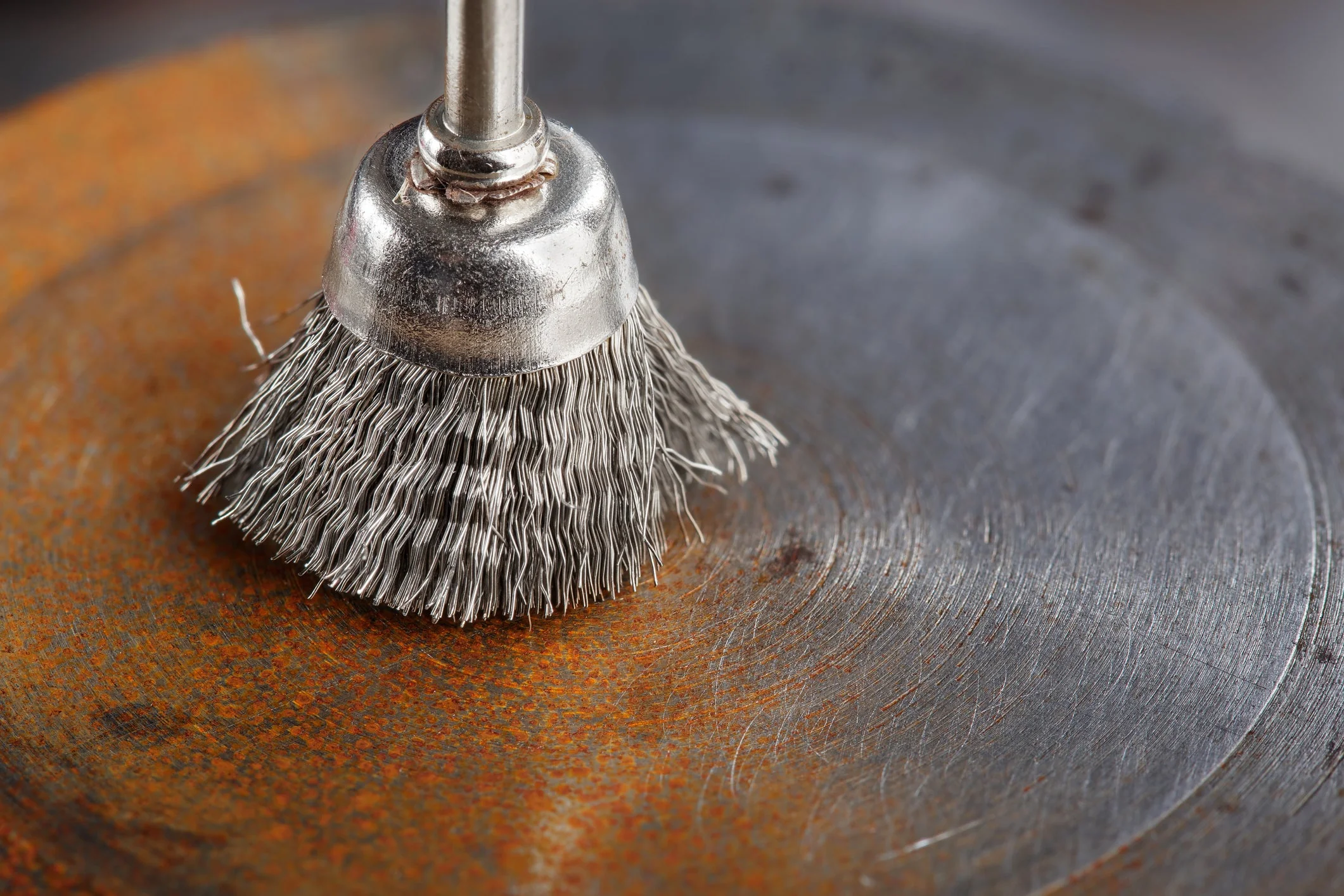
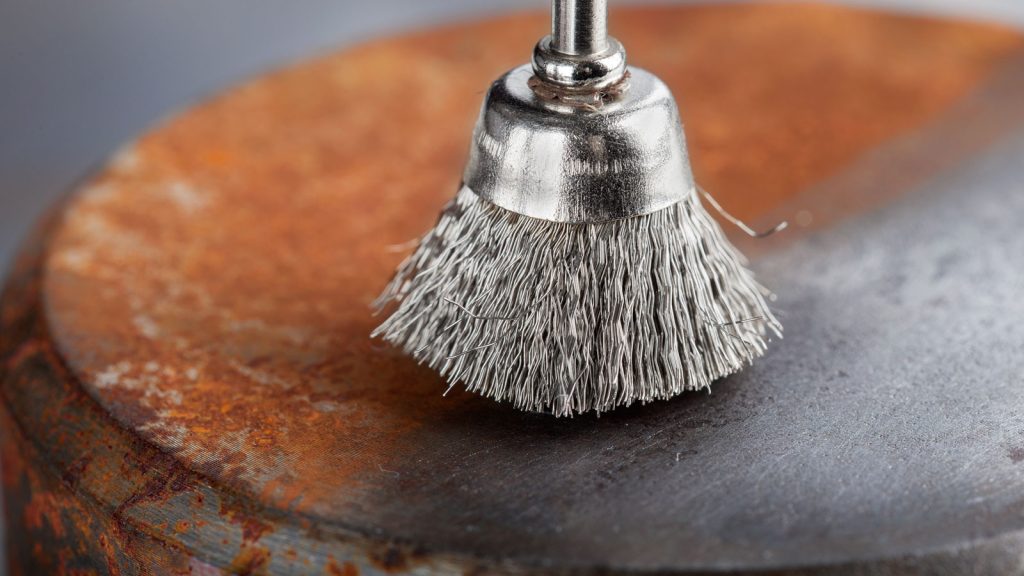
4. Sandpaper or Wire Brush (Fast Removal)
For heavier rust, physical removal works best.
Steps:
- Use sandpaper or a wire brush
- Scrub the rusted area until clean
- Wipe off dust and debris
Best for: Outdoor tools, metal furniture
Tip: Use moderate pressure to avoid scratches
5. Chemical Rust Removers
When rust is too stubborn, chemical solutions help.
Steps:
- Apply the rust remover as instructed
- Let it sit for the recommended time
- Wipe or rinse off
Best for: Deep rust and large surfaces
Safety: Always use gloves and proper ventilation
Comparison Table – Which Method Should You Choose?
| Method | Difficulty | Time | Best Use | Safety |
|---|---|---|---|---|
| Vinegar | Easy | Medium | Moderate rust | Safe |
| Baking Soda | Easy | Medium | Light rust | Very safe |
| Lemon + Salt | Easy | Slow | Surface rust | Safe |
| Sandpaper | Medium | Fast | Heavy rust | Moderate |
| Chemicals | Medium | Fast | Severe rust | Needs care |
Step-by-Step Process for Beginners
If you are unsure where to start, follow this simple process:
- Clean the metal surface to remove dust
- Identify the rust type
- Choose the right method
- Apply treatment and scrub gently
- Rinse and dry completely
- Apply oil or coating to protect
This method ensures you remove rust properly without damaging the metal.
Common Mistakes to Avoid
Many people remove rust but see it return quickly. Here’s why:
- Not drying the metal after cleaning
- Using too much force and damaging the surface
- Skipping protective coating
- Ignoring small rust spots
Fixing these mistakes can extend the life of your metal items.
How to Prevent Rust from Coming Back
Removing rust is only half the job. Prevention is equally important.
- Keep metal items dry
- Store tools indoors
- Apply oil or paint coating
- Clean regularly
For example, applying a thin layer of oil on tools can prevent moisture from settling.
When Rust Cannot Be Removed
Sometimes rust goes too deep and weakens the metal.
Signs include:
- Holes or cracks
- Flaking metal layers
- Structural weakness
In such cases, replacing the item is safer than repairing it.
Pro Tips for Better Results
- Combine methods for stubborn rust
- Use warm solutions for faster reaction
- Repeat the process instead of forcing it
- Always dry the metal properly
These small tips make a big difference in results.
Final Thoughts
Removing rust from metal is simple if you use the right method. For most cases, household solutions like vinegar or baking soda are enough. For tougher rust, tools or chemicals work better. The key is to act early and protect the metal after cleaning.